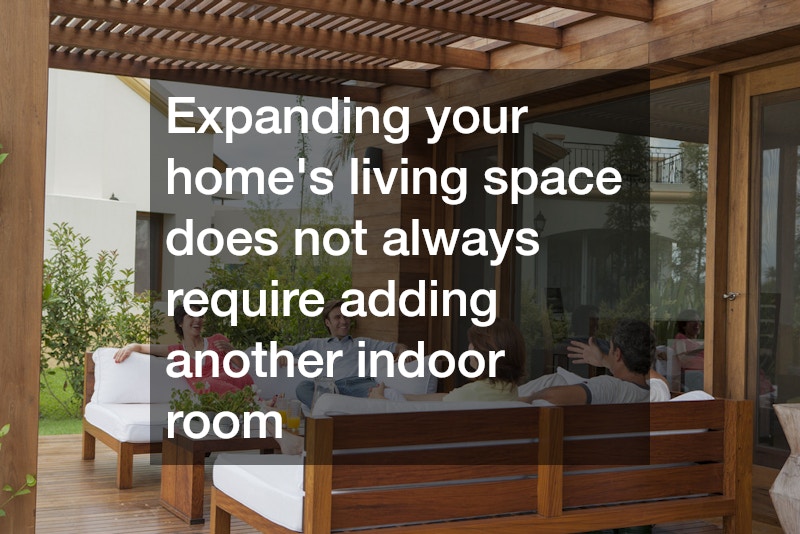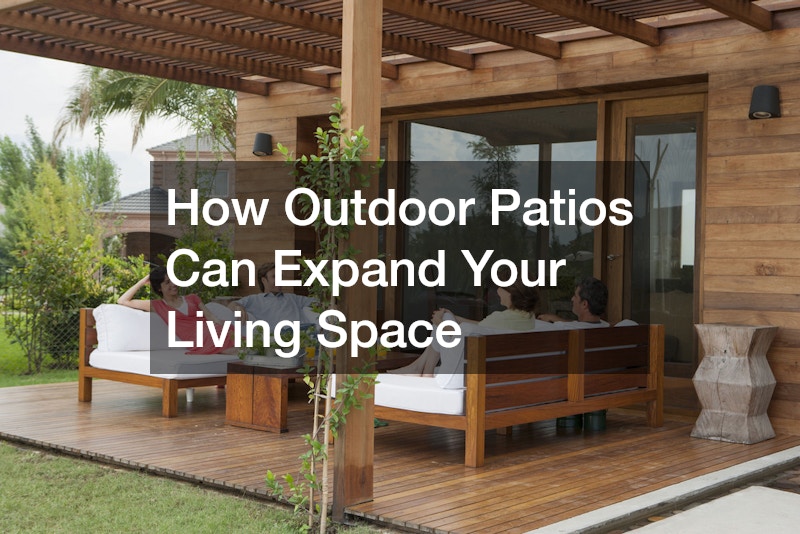
Your home does not have to be limited to its indoor rooms. With thoughtful planning, the area just outside your home can become a comfortable extension of your living environment. Creating a dedicated outdoor area gives you more room for relaxing, dining, entertaining, and enjoying time with family and friends without undertaking a major indoor renovation.
Outdoor patios can provide a practical transition between your home’s interior and the surrounding garden. Whether you have a compact courtyard or a spacious backyard, the right design can make an underused area more functional.
With suitable furniture, lighting, shade, and landscaping, your patio can become a space that feels like a natural part of your home.
Add an Outdoor Dining Area
Dining does not always need to take place around an indoor table. A patio can provide enough room for an outdoor dining setting where you can enjoy breakfast, lunch, dinner, or casual meals in the fresh air.
Depending on the available space, you could add a dining table, chairs, serving area, or even an outdoor kitchen. Positioning the dining area near the home’s kitchen can make carrying food and drinks outside more convenient.
An outdoor dining space can also make ordinary meals feel different. Eating outside during warmer months provides an opportunity to enjoy the surrounding garden while spending more time in the open air.
Design a Comfortable Place to Relax
A patio can become more than a dining area. With comfortable seating, it can provide a dedicated place to unwind after work, read, enjoy a morning coffee, or spend time with family.
Consider adding lounge chairs, sofas, benches, or other furniture suited to outdoor conditions. Cushions and accessories can introduce comfort and personality, while side tables can provide convenient places for drinks, books, or decorative items.
Shade is another consideration. A pergola, umbrella, awning, or strategically positioned landscaping can make the area more comfortable during sunny periods.
Create More Space for Entertaining
When friends or relatives visit, having additional usable space can make gatherings easier to manage. A patio provides a defined area where people can sit, talk, eat, or enjoy activities.
The layout can be planned around the way you typically entertain. If you frequently host meals, you might prioritise a large dining table and cooking area. If informal gatherings are more common, comfortable seating and open floor space may be more useful.
Lighting can also help extend the hours during which the space can be enjoyed. Well-positioned outdoor lights can provide visibility after sunset while contributing to the atmosphere.
Make a Small Property Feel More Spacious
You do not need a huge garden to benefit from a patio. A well-designed smaller area can make a property feel more versatile by giving you another dedicated zone for everyday activities.
The key is to avoid overcrowding the space. Furniture should be appropriately scaled, and pathways should remain clear. Built-in seating, vertical gardens, and multifunctional furniture can be useful where floor space is limited.
Visual continuity can also make a difference. Using complementary materials and colours between the home’s exterior and patio can create a smoother transition, helping the outdoor area feel connected to the rest of the property.
Consider Weather and Seasonal Use
The usefulness of an outdoor living area can depend heavily on the weather. Planning for different conditions can help you get more value from the space throughout the year.
Shade can provide relief during hot weather, while outdoor heaters or a suitable fire feature may make the area more comfortable during cooler evenings. Weather-resistant furniture and materials can also reduce maintenance requirements.
Drainage is equally important. A properly prepared surface can help prevent standing water and support the long-term condition of the area. Considering these practical details during installation can make the finished space easier to enjoy and maintain.
Choose Materials That Complement Your Home
The surface material plays an important role in both appearance and functionality. Options can include concrete, paving, natural stone, tiles, and other materials designed for outdoor use.
When choosing a surface, consider durability, maintenance, appearance, and how the material will work with the home’s existing exterior. A cohesive design can make the patio feel like an intentional extension of the property.
Material selection should also account for local weather conditions and the amount of foot traffic the area is likely to receive. A professional can help identify options that suit the property’s requirements and your design preferences.
Plan for Everyday Use
The most effective outdoor patios are designed around the people who will use them. Before finalising a layout, consider how you spend time at home and what you want the additional space to accomplish.
Think about where people will walk, where furniture will go, and how the patio connects to doors and other parts of the property. You should also consider privacy, sunlight, drainage, storage, and access to utilities if you plan to include cooking or entertainment features.
Planning around these practical needs can help ensure the finished space is not only attractive but genuinely useful.
Expanding your home’s living space does not always require adding another indoor room. A thoughtfully designed patio can provide an additional setting for dining, relaxing, entertaining, and enjoying your garden.
Outdoor patios can make better use of underused areas while creating a stronger connection between your home and the outdoors. By considering layout, furniture, landscaping, lighting, weather protection, and suitable materials, you can create a flexible space that complements your lifestyle. With careful planning, the area outside your home can become one of the most enjoyable and useful parts of your property.