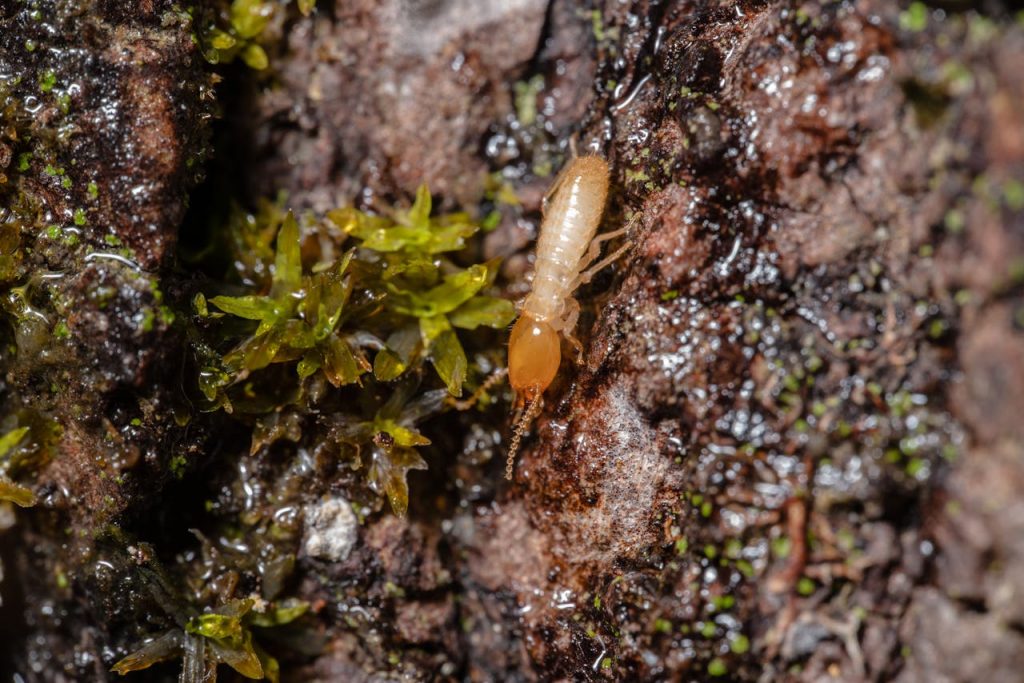
Termites are one of the most destructive pests a homeowner can face, silently eating away at timber, flooring, and structural components of a house. In Australia, termite damage costs homeowners billions of dollars each year, often causing significant repair expenses and reducing property value. Unlike visible pests such as ants or cockroaches, termites can remain undetected for months or even years, making early detection and treatment critical.
One of the most common questions homeowners ask is: “How much does termite treatment cost?” Understanding the answer is essential, not only for budgeting purposes but also for making informed decisions about which treatment method is best for your home. The cost can vary widely depending on factors such as the severity of the infestation, the type of termite, property size, and the treatment method chosen. From chemical barriers and baiting systems to heat treatments and whole-home fumigation, each approach carries its own price range, benefits, and limitations.
For a broader view of pest control pricing across different pests, homeowners can also refer to our complete guide on how much does pest control cost. This pillar article covers ants, rodents, cockroaches, and more, helping you plan your budget effectively.
This guide provides a comprehensive breakdown of termite treatment costs, helping homeowners understand what to expect and how to plan. We’ll cover the different types of treatments, the impact of infestation severity on pricing, DIY versus professional options, and practical money-saving tips. By the end of this article, you’ll have the knowledge needed to protect your home, prevent extensive damage, and make cost-effective decisions regarding termite control.
Why Termite Treatment Is Crucial
Risks of Termite Infestations
Termites are often called “silent destroyers” for good reason. Unlike many pests, they remain hidden while causing extensive damage to the structural elements of a home. Termites primarily feed on cellulose, which is abundant in timber, flooring, furniture, and even paper-based materials. Over time, this feeding can compromise the strength and integrity of beams, walls, floorboards, and roofing structures. Homeowners may not notice the damage until it becomes severe, making repairs expensive and disruptive.
The presence of termites can also negatively impact a property’s market value. Potential buyers may request professional inspections before purchasing, and evidence of termite activity—whether active infestations or prior damage—can lower the selling price or complicate the sale. In addition to structural concerns, termites contribute indirectly to health issues. Moisture often accumulates in areas where termite activity occurs, promoting mold and mildew growth. Mold spores can trigger allergies, respiratory problems, and exacerbate asthma conditions, particularly in sensitive individuals.
Early Detection vs. Delayed Treatment
Detecting termite activity early is critical to preventing extensive damage. Minor infestations are easier and cheaper to treat because the colony is smaller and confined to a limited area. In such cases, localized treatments like chemical barriers, baiting systems, or spot treatments may be sufficient. By contrast, delayed detection allows colonies to grow unchecked, often spreading throughout walls, floors, and outdoor timber structures. Severe infestations typically require more intensive interventions, such as fumigation or heat treatments, which are significantly more expensive and disruptive.
Professional inspections are the most reliable way to detect termites early. Experienced pest control specialists can identify subtle signs such as mud tubes, hollow-sounding timber, and droppings that an untrained eye might miss. They can also recommend the most appropriate treatment method based on infestation size, termite species, and property layout. Investing in regular inspections not only protects the home’s structural integrity but also saves homeowners from costly repairs and stress in the long run.
Average Cost of Termite Treatments
Termite treatment costs vary widely depending on the type of treatment, the size of the property, the severity of the infestation, and the termite species involved. Understanding the average costs helps homeowners budget effectively and choose the right treatment option. Below is a detailed breakdown of common termite treatment methods and their average costs.
| Treatment Type | Average Cost Range | Best For | Notes |
| Chemical Barriers | $500 – $2,500 | Minor infestations | Quick action, applied around foundations |
| Bait Systems | $800 – $2,000 | Preventive & small infestations | Requires ongoing monitoring |
| Heat Treatments | $1,500 – $4,000 | Localized infestations | Chemical-free, eco-friendly |
| Fumigation | $2,500 – $6,000+ | Severe infestations | Whole-home treatment, highly effective |
| Preventive Inspections | $150 – $300 | All homes | Annual inspections recommended |
Chemical barriers are among the most common methods for minor termite issues. A professional applies termiticide around the property perimeter to create a protective barrier. While relatively affordable, they may require reapplication over time for ongoing protection.
Bait systems are ideal for preventive measures or small infestations. Bait stations are installed around the property, attracting termites and gradually eliminating the colony. Although slightly more expensive than chemical sprays, bait systems are low-impact and environmentally friendly.
Heat treatments are a chemical-free option that uses high temperatures to eradicate localized infestations, such as in furniture, walls, or individual rooms. This method is effective but tends to be pricier due to specialized equipment and labor.
Fumigation is the most expensive option but is often necessary for severe infestations. It treats the entire home, including hidden colonies, and ensures complete eradication of termites. Homeowners must temporarily vacate the property during fumigation, which adds to the overall cost.
Preventive inspections are the most cost-effective way to manage termite risk. An annual inspection by a certified pest control professional can detect early signs of termite activity and prevent costly repairs later. Combining inspections with preventive treatments is often the best strategy for long-term protection.
By understanding these average costs and the appropriate methods, homeowners can make informed decisions to protect their property, maintain its value, and avoid unexpected repair expenses.
Factors That Influence Termite Treatment Costs
The cost of termite treatment is not fixed and can vary significantly depending on several key factors. Understanding these variables helps homeowners anticipate expenses and select the most cost-effective solutions.
Severity of Infestation
One of the primary determinants of cost is the size and severity of the termite infestation. Minor infestations, often confined to a single room or isolated timber structure, typically require localized treatments and are less expensive. Severe infestations, where termites have spread through walls, floors, or the roof, demand more extensive intervention, including fumigation or heat treatment. Delaying treatment allows colonies to expand, which can double or triple treatment costs.
Type of Termite
Different termite species require different approaches, which affects pricing. Subterranean termites, the most common in Australia, often require chemical barriers or baiting systems, whereas drywood termites may necessitate localized heat treatments or fumigation. Dampwood termites, found in high-moisture areas, can require moisture management in addition to chemical treatments, slightly increasing costs.
Property Size and Structure
Larger homes naturally require more labor and materials for effective treatment. A small apartment may only need a single localized treatment costing a few hundred dollars, while a large multi-level house may cost thousands. The construction material also matters: timber-heavy homes are more vulnerable and may need more intensive treatments, whereas concrete or brick homes may require less chemical application.
Location and Accessibility
Geography and property location influence pricing. Urban areas with multiple pest control providers may offer competitive rates, whereas rural or remote locations often incur additional travel fees. Accessibility matters too—if termites are in hard-to-reach areas like under flooring or inside walls, extra labor is required, increasing the cost.
Treatment Method Selected
The chosen method significantly affects the budget. Chemical sprays are generally affordable and widely used for minor infestations. Baiting systems cost more but provide long-term monitoring. Heat treatments and fumigation are highly effective but expensive due to specialized equipment, labor, and temporary relocation requirements. Eco-friendly or chemical-free options may also carry a slight premium.
By considering these factors, homeowners can make informed decisions about the type of termite treatment that fits their budget and property needs. Early inspections, understanding the severity, and selecting the appropriate method are key to controlling costs while ensuring complete termite eradication.
DIY vs. Professional Termite Treatment
DIY Costs and Limitations
For homeowners looking to save money, DIY termite treatments may seem like an appealing option. Common DIY solutions include chemical sprays, termite baits, and spot treatments, typically ranging from $50 to $200 depending on the size of the affected area and the products used. These solutions are generally best suited for very minor infestations or preventive measures in low-risk areas.
However, DIY termite control comes with significant limitations. Homeowners may fail to reach hidden termite colonies within walls, under floorboards, or in subfloor spaces, resulting in incomplete eradication. This can allow the infestation to continue silently, causing greater structural damage over time. Additionally, improper application of chemicals can pose safety risks, particularly for families with children or pets. There are also legal restrictions in some regions regarding the use of certain termiticides, and non-compliance can result in fines or ineffective treatments.
While DIY treatments are cheaper upfront, they are rarely a long-term solution. Homeowners attempting DIY often need repeated treatments, which can eventually cost more than a single professional intervention.
Professional Services

Professional termite treatment is the most reliable way to eliminate infestations and protect a home. Prices for minor treatments generally start around $500, though costs can rise significantly for larger properties or severe infestations. Professionals bring expertise, industrial-strength solutions, and specialized equipment that are far more effective than DIY products.
One of the biggest advantages of professional services is peace of mind. Many companies provide warranties or follow-up inspections, ensuring that termites are fully eradicated and returning infestations are managed at no additional cost. Professionals can also recommend the most appropriate treatment method based on termite species, property layout, and infestation severity, which improves long-term outcomes.
Although the upfront cost of professional treatment is higher, it offers long-lasting results, reduced risk of property damage, and compliance with legal and safety regulations. For most homeowners, investing in professional termite control is the smarter financial and safety decision.
Cost-Saving Tips for Termite Treatment
Termite treatments can be expensive, especially for severe infestations, but homeowners can take several steps to reduce costs without compromising effectiveness. One of the most effective strategies is to schedule annual inspections. Early detection of termite activity allows for targeted treatments, which are often far less expensive than addressing widespread infestations. Professional inspections can identify subtle signs such as mud tubes, hollow timber, or discarded wings that homeowners might overlook.
Another way to save money is to bundle services. Many pest control companies offer package deals, combining general pest control with termite inspections. This not only reduces the overall cost but also ensures comprehensive protection against multiple threats, providing greater peace of mind.
Homeowners should also ask about warranties or free retreatments. Many professional termite treatments come with guarantees, meaning that if termites return within a specified period, the company will retreat the property at no additional cost. Choosing services with such warranties can prevent unexpected expenses down the line.
Preventive measures inside and outside the home are equally important. Keeping the home dry and reducing timber-to-soil contact significantly reduces termite risk. Ensure gutters are clean, fix leaks promptly, and avoid stacking firewood or timber directly against the house.
Finally, using preventive bait systems in high-risk areas can help control termite populations before they establish large colonies. While baiting systems may have an initial cost, they provide ongoing monitoring and early eradication, saving homeowners from costly full-home treatments later.
By combining regular inspections, strategic service bundling, warranties, and preventive measures, homeowners can effectively manage termite risks while keeping treatment costs under control. Implementing these tips not only saves money but also protects the long-term integrity and value of the property.
How to Choose the Right Termite Treatment
Selecting the most suitable termite treatment for your home requires careful consideration of several key factors. The severity of the infestation is critical: minor infestations may only require localized chemical sprays or baiting systems, while severe infestations often necessitate fumigation or heat treatments. Identifying the type of termite—subterranean, drywood, or dampwood—is also essential, as different species respond better to specific treatment methods.
Homeowners should also evaluate their budget. While professional treatments can be costly, investing in effective solutions often prevents far more expensive structural damage in the long term. If you prefer environmentally friendly solutions, ask about eco-friendly or chemical-free options, such as heat treatments or bait systems, which are safe for children, pets, and the surrounding environment.
Before committing, it’s important to ask pest control companies key questions:
- What treatment method do you recommend and why?
- Is there a warranty or follow-up service if termites return?
- How long will the treatment take, and will I need to vacate my home?
- Are there hidden fees for labor, chemicals, or follow-up visits?
Finally, compare quotes from multiple providers to ensure you understand what’s included in the price. Some companies may quote a lower initial cost but exclude essential services like inspections or follow-up treatments, which can increase overall expenses. By carefully weighing severity, termite type, treatment methods, and company transparency, homeowners can make informed decisions that protect their property, stay within budget, and ensure long-lasting termite control.
Printable Termite Treatment Checklist
Regular monitoring is essential for protecting your home from termites. Use the checklist below to track inspections and preventive measures. This table can be printed directly from your blog using the built-in print button.
Termite Treatment Checklist
| Task | Frequency | Notes |
|---|---|---|
| Inspect timber around foundations | Every 6 months | Look for mud tubes or hollow-sounding wood |
| Check crawl spaces and subfloors | Every 6 months | Look for moisture and termite activity |
| Examine doors, skirting, and window frames | Every 6 months | Check for swelling, cracks, or damage |
| Maintain proper drainage & reduce timber-to-soil contact | Monthly | Move firewood away from house, clear gutters |
| Schedule professional inspections | Annually | Include preventive treatments if necessary |
This checklist allows homeowners to track preventive measures, identify early signs of termite activity, and plan professional treatments efficiently. The print button ensures easy offline use without relying on external files.
Conclusion
Protecting your home from termites is not just about treating an infestation—it’s about long-term prevention. The cost of termite treatment varies based on factors like infestation severity, treatment type, and property size, but investing in professional solutions saves homeowners from expensive structural repairs down the line. By comparing quotes, asking the right questions, and following a regular inspection checklist, you can stay ahead of termite damage and safeguard your property value.
Remember, prevention is always cheaper than repair. If you suspect termite activity, act quickly and consult licensed pest control professionals for tailored advice.
Common Questions About Termite Treatment Costs (FAQ)
How much does termite treatment cost for a small vs. large home?
In Australia, the cost of termite treatment varies by property size and infestation level. For a small home or a minor infestation, expect to pay around $300 to $1,000 for spot treatments or bait stations. Larger homes or severe infestations needing full chemical barriers or fumigation typically range from $1,500 to $5,000. Annual inspections, which cost about $250 to $400, are strongly recommended across Australia due to the high risk of termite activity.
Are chemical treatments safe for pets and children?
Yes, when applied by licensed Australian pest controllers, chemical termite treatments are safe. All professional treatments use APVMA-approved products (Australian Pesticides and Veterinary Medicines Authority) designed to be safe once dried. As a precaution, pets and children should stay away from treated areas until advised it is safe to return. Eco-friendly termite baiting systems are another popular option for families seeking low-toxicity solutions.
How long does termite treatment last?
A professional chemical barrier treatment in Australia can protect your home for up to 8 years, depending on soil type, climate, and product used. Termite baiting systems require ongoing monitoring every 3 to 6 months to stay effective. Since Australia’s warm climate encourages year-round termite activity, most experts recommend an annual inspection to maintain full protection.
Can I claim termite damage on home insurance?
In most cases, Australian home insurance policies exclude termite damage. Insurers classify termites as a preventable issue through regular maintenance and inspections. Because of this, prevention through professional treatment and monitoring is the most cost-effective protection.
How to know if my home is at risk?
Australian homes with timber frames, slab-on-ground foundations, or direct wood-to-soil contact are highly vulnerable. Risk is greater in Queensland, New South Wales, and Northern Territory, where termites thrive in warm and humid conditions. Early signs include mud tubes, sagging floors, hollow timber, bubbling paint, or discarded wings. If you notice these, arrange a professional termite inspection immediately.